
Assisted living activities are structured programs that support the physical, mental, and social well-being of older adults in a care community. At La Conner Retirement Inn in La Conner, WA, programming is a core part of daily life for both independent living and assisted living residents.
Key Takeaways
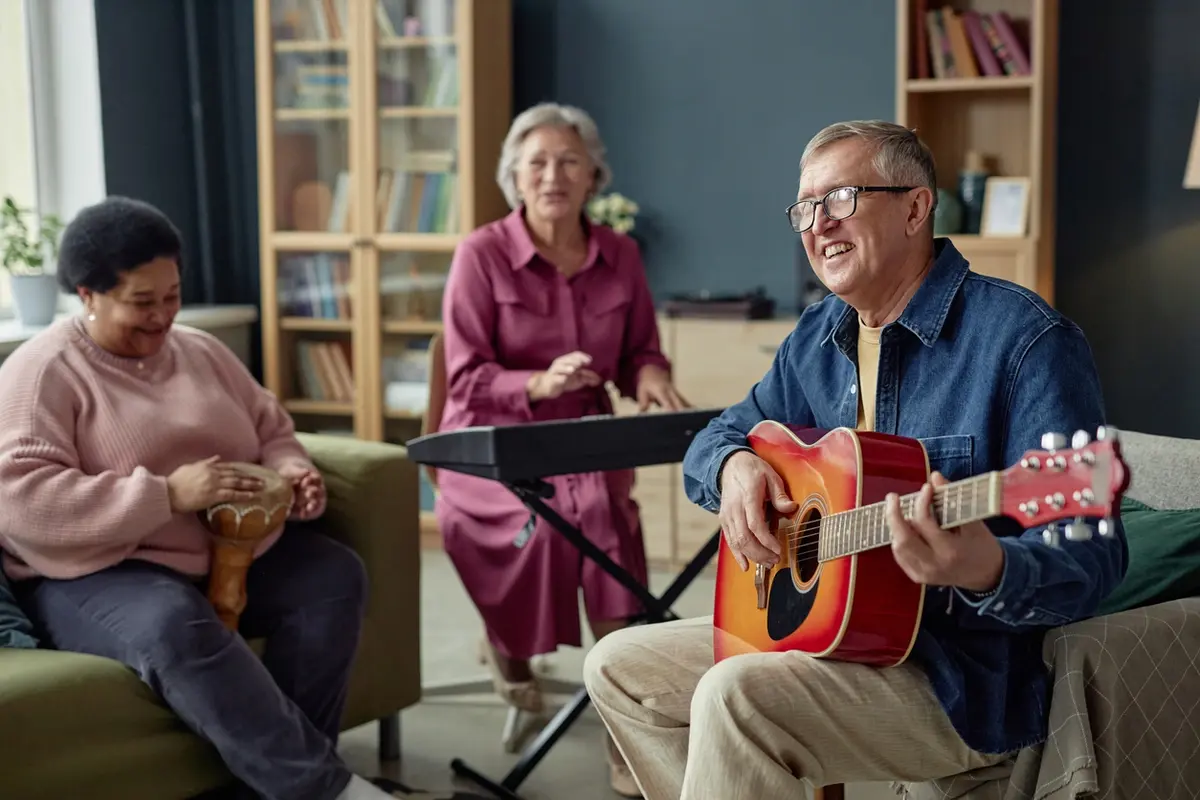
- Assisted living activities are usually divided into four clear categories: physical activities (exercise classes, walking clubs), cognitive activities (puzzles, trivia), creative activities (arts and music), and social activities (group games, outings).
- Structured programming reduces isolation and supports mental health in older adults.
- The best programs match each resident’s interests and ability level.
- Daily activity routines improve mood, sleep, and overall quality of life.
- La Conner Retirement Inn offers a full events and activities calendar for residents.
Why Assisted Living Activities Matter
You might assume that moving into a senior community means slowing down. The opposite is true. Structured programming keeps residents engaged, connected, and healthier overall.
According to the Centers for Disease Control and Prevention (CDC), more than 1 in 4 adults aged 65 and older fall each year, and falls are the leading cause of fatal and nonfatal injuries in that age group. Regular physical activity, including strength and balance exercises, is one of the most effective ways to reduce that risk. For assisted living residents, a structured activity program is not optional; it is a key part of staying safe.
Social activities carry equal weight. The National Institute on Aging (NIA) reports that adults who are lonely or socially isolated tend to have longer hospital stays, are readmitted more often, and face higher risks of heart disease, depression, and cognitive decline. When your loved one participates in group programming, they build the social connections that directly protect their health.
The Four Main Types of Assisted Living Activities
Most communities structure their activities around four main categories: physical (exercise and movement), cognitive (mental stimulation like puzzles), creative (arts, crafts, music), and social (group events and outings). Each category addresses a unique aspect of well-being.
| Activity Type | Examples | Primary Benefit |
| Physical | Walking clubs, chair yoga, light stretching | Reduces fall risk, supports mobility |
| Cognitive | Puzzles, trivia, book clubs | Supports memory and mental sharpness |
| Creative | Painting, baking, crafts | Boosts mood and self-expression |
| Social | Happy hours, movie nights, community outings | Reduces isolation, builds friendships |
How Activities Are Chosen for Each Resident
When you or your loved one moves in, staff typically complete an interest and ability assessment. This helps the activities team build a program that fits.
For example, a resident who spent decades gardening might join a gardening club or attend seasonal planting events. A former music teacher might take part in a choir group or attend live performances. The goal is personal, not generic.
At La Conner Retirement Inn, the events and activities give families a current look at what programming looks like week to week.
Which Types of Assisted Living Activities Work Best
The most effective programs combine multiple activity types throughout the week. A single focus, like only physical fitness or only crafts, misses the full picture of what seniors need.
The best daily mix includes at least one physical activity, one social interaction, and one cognitive or creative outlet. For a resident with some mobility limitations, chair yoga paired with a card game afternoon and a community movie night covers all four pillars. That combination directly addresses the physical and social risks the CDC and NIA both flag as serious concerns.
For more on how active aging works in practice, read our article on active independent living for seniors or explore why fitness over 65 still matters.
Practical Tips for Families
Choosing the right community means asking the right questions. Here are a few things to look for when reviewing a community’s activities program:
- Ask for a sample activity calendar before touring.
- Check whether activities are adapted for different mobility and cognitive levels.
- Ask how staff respond when a resident disengages from programming.
- Look for a mix of group and individual activity options.
- Find out if residents can suggest new programs or clubs.
One practical tip: visit on a regular weekday, not just during an open house. You will see a more accurate picture of daily life and how residents actually engage with programming.
Things to Know About Assisted Living Activity Programs
Before choosing a community, keep these facts in mind:
- Activity directors are typically senior living professionals, not just volunteers.
- Federal guidelines require assisted living communities to offer regular programming, but quality and variety differ greatly between communities.
- Cognitive activities like trivia and puzzles are especially important for residents showing early signs of memory loss.
- Roughly 1 in 4 adults aged 65 and older are considered socially isolated, according to NIA research. Structured social programming in senior living directly addresses that gap.
- Communities with strong activity programs tend to report fewer resident hospitalizations and better medication adherence.
You can also review mental health awareness resources for seniors to understand how activity engagement connects to emotional well-being.
See It in Action at La Conner Retirement Inn
If you are considering senior living in La Conner, WA, visit La Conner Retirement Inn to experience the activities program built around residents’ real interests and needs.
Visit the services and amenities or contact the team to schedule a tour and view the activities calendar firsthand.
Frequently Asked Questions
What activities are offered in senior living?
Senior living communities typically offer fitness classes, arts and crafts, music events, games, social outings, and educational programs. The mix varies by community. Most communities offer fitness, creative, social, and cognitive activities on a rotating weekly calendar.
What are the four main types of activities for seniors?
The four main categories of activities are: physical (such as exercise or sports), cognitive (such as puzzles or reading), creative (such as art or music), and social (such as group discussions or outings). A well-balanced weekly program includes all four types.
What are the 5 basic activities of daily living?
The five basic ADLs are bathing, dressing, eating, toileting, and transferring (moving from bed to chair). Assisted living staff help residents with any ADLs they cannot perform independently. Bathing, dressing, eating, toileting, and transferring.
What are the 12 activities of daily living?
The expanded list includes maintaining a safe environment, communicating, breathing, eating and drinking, eliminating, personal cleansing, controlling body temperature, mobilizing, working and playing, expressing sexuality, sleeping, and dying. This framework comes from nursing care models. A 12-point nursing care model covering all physical and emotional functions needed for daily life.
What are the most popular activities for seniors?
Bingo, walking clubs, arts and crafts, book clubs, and movie nights are consistently popular across assisted living communities. Bingo, walking clubs, and arts and crafts top the list in most communities.
What are 10 examples of physical activities for seniors?
Walking, chair yoga, water aerobics, light stretching, resistance band exercises, dancing, tai chi, stationary cycling, bocce ball, and gardening are strong options for seniors.
What activities do senior women enjoy most?
Senior women often enjoy book clubs, crafting, gardening, cooking classes, painting, and social outings. Many also participate in yoga and walking groups. Book clubs, crafting, gardening, and group fitness tend to be favorites.
What is the 20 questions game for seniors?
The 20 questions game is a verbal guessing game where one player thinks of a person, place, or thing and others ask up to 20 yes-or-no questions to identify it. It is a simple, low-cost cognitive activity well suited for group settings in assisted living. A verbal guessing game using yes-or-no questions to identify a mystery subject. Great for group cognitive engagement.