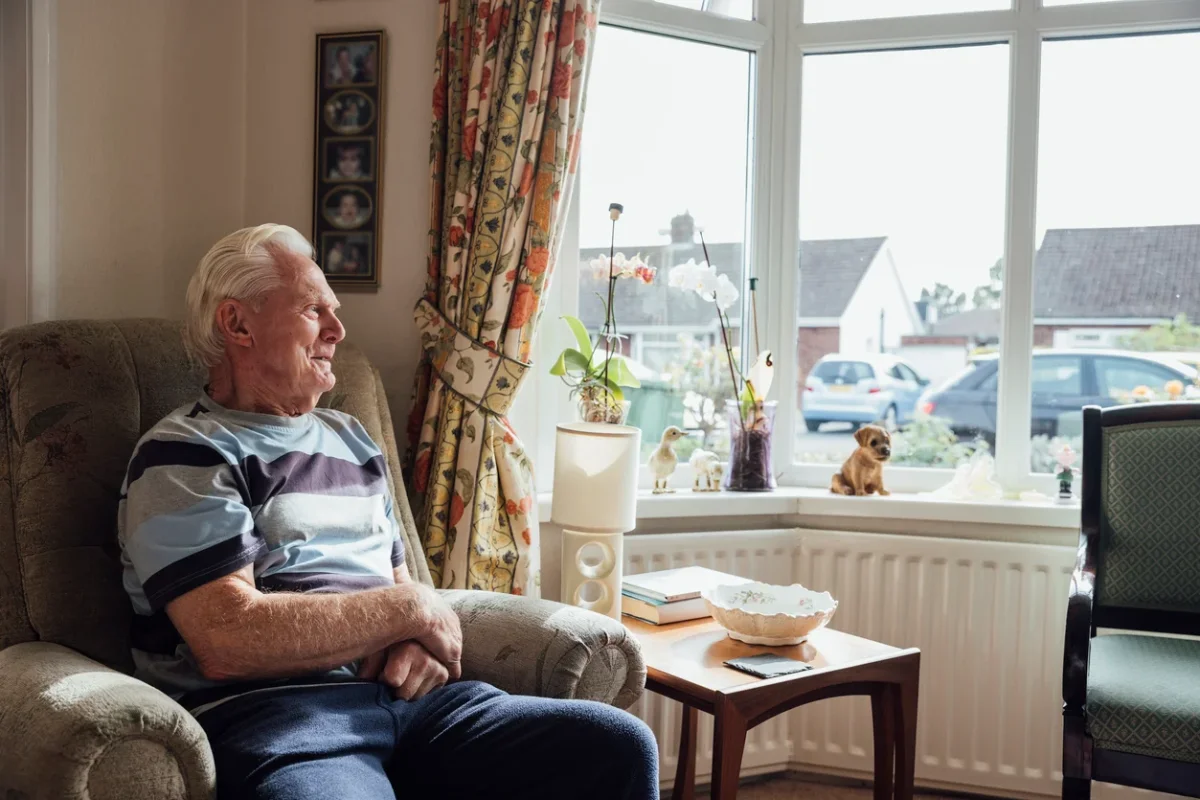
Recognizing the signs it’s time for assisted living often begins with small changes in an aging parent’s daily routine. Skipped meals, missed medications, repeated falls, declining personal hygiene, or growing isolation may suggest that additional support is needed. These changes do not automatically mean someone needs to move, but they deserve attention.
Most families do not recognize the turning point until they look back on it. A parent starts skipping meals. Medications pile up unopened. A fall happens, gets brushed off, and then happens again.
If you’re noticing these changes in someone you love, this guide explains eight important warning signs, how to evaluate their impact on daily safety and independence, and what steps to take before making a decision about assisted living.
Why is recognizing the signs of needing assisted living so hard
The signs are rarely dramatic— that’s what makes them easy to miss. They tend to be quiet, gradual, and easy to explain away. A bad week turns into a bad month. A health change gets attributed to age rather than being examined. Family members who live at a distance see a snapshot and fill in the gaps with hope.
That is not a failure of love. It is human nature. But it helps to have a clear list of what to actually watch for.
8 Signs It’s Time for Assisted Living: What to Watch For
- Meals are being skipped, or nutrition is declining. Weight loss, an empty refrigerator, or expired food in the pantry can signal that cooking and meal planning have become too difficult. This is often one of the first signs families notice.
- Medications are being missed or mismanaged. Missed doses, double doses, or a confusing collection of medication bottles can indicate that managing prescriptions has become difficult. According to the CDC’s guidance on medications and fall prevention, certain medications can cause dizziness, drowsiness, and balance problems that increase fall risk among older adults. If medication management is becoming unreliable, ask a healthcare professional or pharmacist to review the current medication routine and identify appropriate support.
- Falls have happened, or fall risk feels high. A single fall is serious. Repeated falls, near-misses, or a reluctance to move around freely all point toward a need for closer support. Grab bars and non-slip rugs help, but they do not replace consistent, attentive daily care.
- Personal hygiene or household care has declined. Unwashed clothes, difficulty bathing or grooming, spoiled food, or an increasingly unkempt home may indicate that everyday responsibilities have become harder to manage. The National Institute on Aging’s guidance on services for older adults living at home identifies bathing, dressing, grooming, eating, and mobility as essential daily activities that some older adults need assistance with. Families should consider whether additional help at home or a residential care setting can provide the appropriate level of support.
- Loneliness or social withdrawal has become a pattern. Declining phone calls, stopped hobbies, canceled plans, or flat affect during conversations can signal depression or isolation. Social withdrawal is not a normal part of aging that should be accepted without question.
- Memory problems are affecting daily safety. Leaving the stove on, getting lost in familiar places, forgetting recent conversations, or failing to recognize known risks are not the same as occasional forgetfulness. These patterns warrant a conversation with a healthcare provider and a more thorough assessment of daily living safety.
- Managing a home has become overwhelming. Bills going unpaid, laundry piling up, home repairs ignored, or a general sense that upkeep has outpaced energy and ability are all worth taking seriously. The burden of home management can erode quality of life quietly.
- Family caregivers are running on empty. If the people providing care are exhausted, anxious, or giving up their own needs to keep up, that is a sign the current arrangement may not be sustainable. Caregiver burnout affects everyone involved.
Printable assisted living warning-sign checklist
Take this to a family meeting, a doctor’s appointment, or a tour.
- Meals are being skipped, or poor nutrition
- Medication misses or confusion
- Falls or near-falls in the past 6 months
- Decline in hygiene or household care
- Social withdrawal or signs of depression
- Memory problems affecting daily safety
- Home management is becoming unmanageable
- Family caregivers showing signs of burnout
If you checked three or more, it is worth a conversation about the available support options.
What these signs do not mean
Noticing these signs does not mean a family failed and it does not mean a loved one will lose their independence or their identity. Assisted living at its best is not a removal from life. It is a return to it, with built-in support where needed.
Many residents describe their first weeks in assisted living as a relief. They eat better. They sleep better. They have people around them. The things that had quietly become too much are no longer theirs to carry alone.
When to consider assisted living vs. independent living
Not every sign on this list automatically points toward assisted living. Some families find that independent living, with its built-in meal service, social programming, and maintenance-free environment, addresses several of these issues without the need for daily personal care.
If your family has already reached the point where daily personal care is clearly needed, assisted living offers that support directly, with a level of help worth understanding before you tour.
What to do after noticing these signs
Start with a conversation, not a decision. If you are not sure how to open that conversation without it becoming tense or emotional, How to Start the Conversation About Senior Living walks through what to say, what to avoid, and how to keep the door open even if the first conversation does not go smoothly.
When the family needs to come together around a decision, The Family Meeting on the La Conner Retirement Inn blog walks through how to structure that conversation so everyone stays aligned.
Frequently asked questions
What are the most common signs that it’s time for assisted living?
The eight most common signs are skipped meals or poor nutrition, missed or mismanaged medications, falls or near-falls, declining hygiene or household care, social withdrawal, memory problems affecting daily safety, an unmanageable home, and caregiver burnout.
How many signs should I see before considering assisted living?
There’s no fixed threshold, but three or more signs from the checklist, especially if they’re consistent rather than occasional, are generally worth raising with family and a healthcare provider.
Does assisted living mean losing independence?
No. Assisted living is designed to support independence by helping with the specific tasks that have become genuinely difficult, while leaving everything else — routines, choices, relationships — in the resident’s own hands.
What’s the difference between assisted living and independent living?
Independent living suits adults who are self-directed and want convenience and community without daily personal care. Assisted living adds regular help with tasks like bathing, medication management, and mobility. The Independent Living and Assisted Living pages outline both in more detail.
How do I bring this up with my parents without it feeling like an accusation?
Lead with curiosity about how things have been feeling for them rather than stating conclusions about what’s wrong. A companion guide on starting this conversation walks through specific scripts for different scenarios.
What should I bring to a doctor’s appointment if I’m noticing these signs?
The printable checklist above is a useful starting point — bringing a specific, dated list of what’s been observed gives a physician more to work with than a general concern.