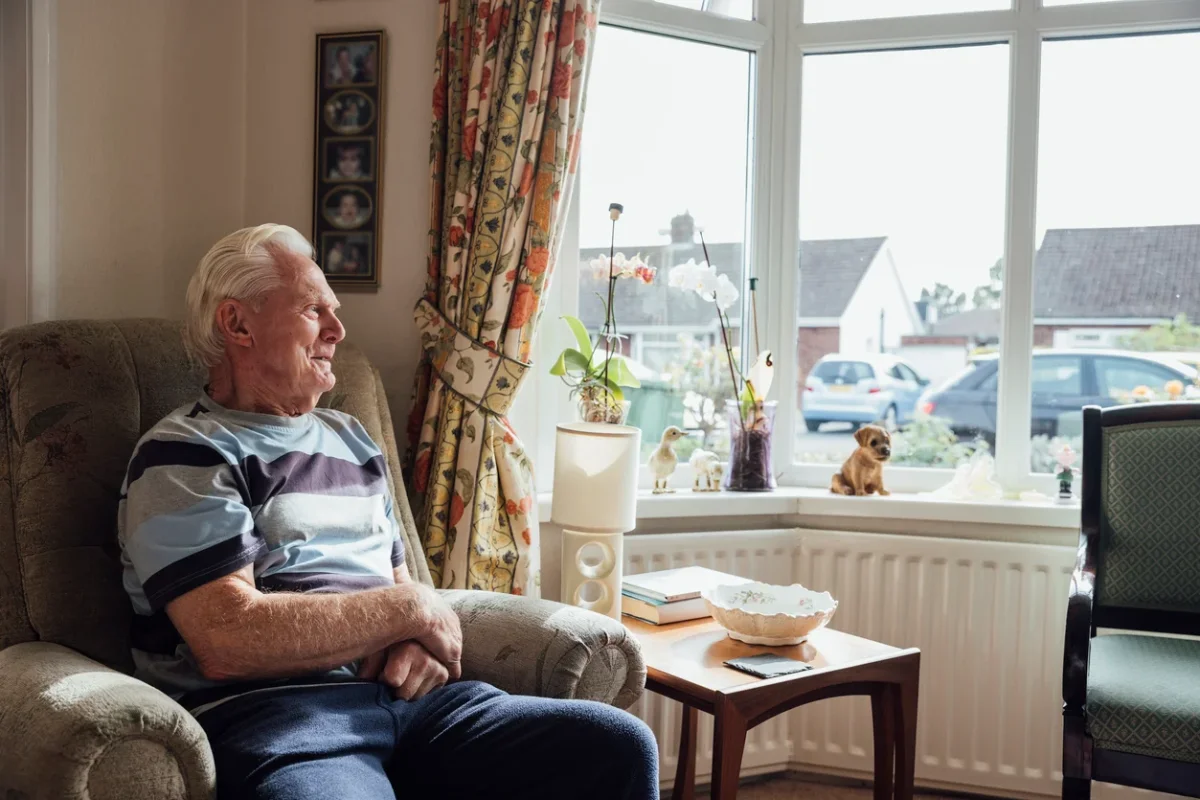
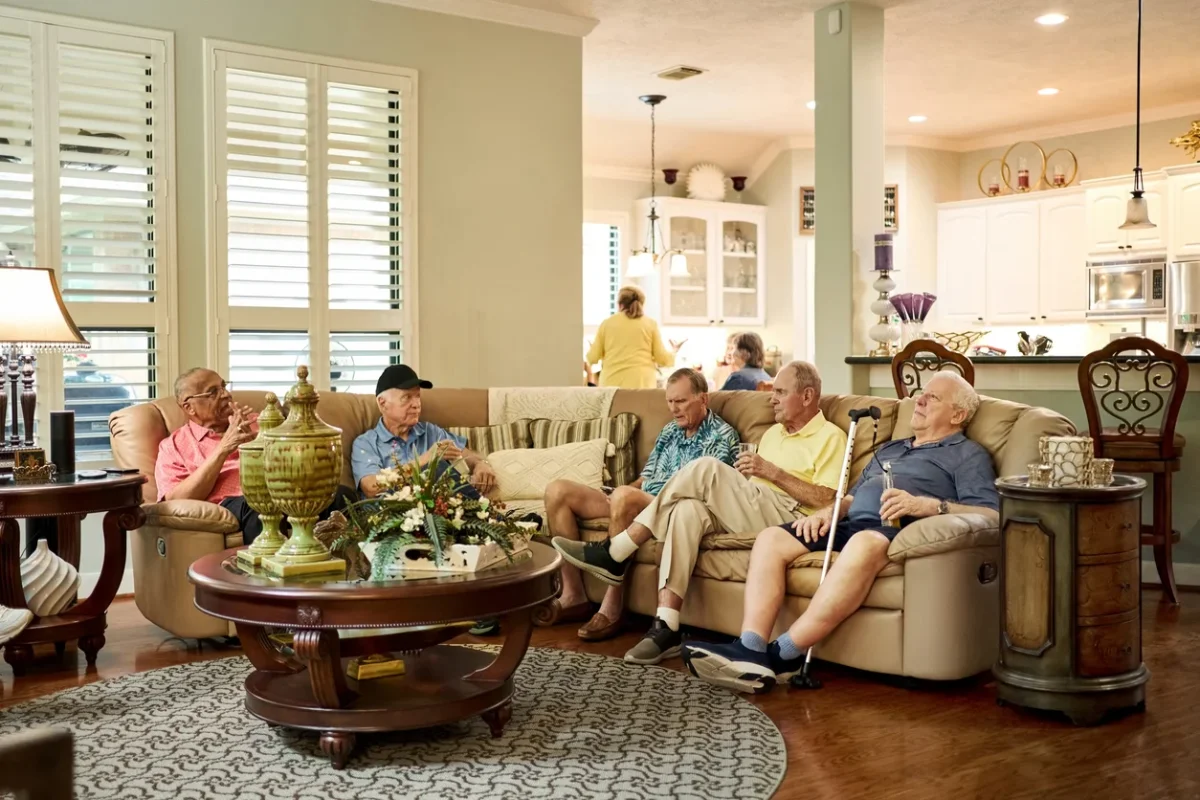
What does life at La Conner Retirement Inn actually look like on an ordinary Tuesday? What is dinnertime like? How do residents spend their afternoons, and what makes the community feel like home?
These are the questions that matter most when you’re exploring senior living in La Conner, WA. Beyond the amenities and services, daily life is shaped by familiar faces, shared meals, meaningful activities, and opportunities to stay connected with the surrounding Skagit Valley community.
This guide offers a closer look at the routines, relationships, and experiences that make up everyday life at La Conner Retirement Inn, helping families understand what to expect before scheduling a visit.
The setting: What La Conner itself adds to daily life
Location is not a feature; it is a context, and the context at La Conner Retirement Inn is genuinely unusual for a senior living community.
The community sits in downtown La Conner, Washington, a small waterside town on the La Conner Channel in Skagit County. This is not a community set back from a highway or tucked into a suburban office park. It is in an actual town, within walking distance of local shops, galleries, waterfront dining, and the feel of a Pacific Northwest community that has remained livable rather than just picturesque.
Some apartments have partial views of the Swinomish Channel. Some have balconies. On a clear morning, the water is visible from certain rooms, a view that makes sitting with coffee feel like a deliberate pleasure rather than a way to pass time before something else. This matters to residents. Several have mentioned it without being asked.
Downtown La Conner is also the kind of town where things happen year-round: tulip season in the spring, festivals, art walks, and the particular quiet of a waterside winter. Residents at La Conner Retirement Inn are not isolated from their town. They are part of it.
What the physical community looks and feels like
La Conner Retirement Inn is designed to feel residential rather than institutional. Apartments are available in multiple floor plan configurations, ranging from single rooms to larger units, with enough variety to accommodate different preferences and budgets.
Common areas include the dining room, designed for restaurant-style service rather than cafeteria-style, and outdoor spaces where residents access the raised garden boxes maintained on the grounds. The on-site salon offers haircuts, styling, and personal care, so residents don’t need to arrange transportation to an outside provider.
The community is pet-friendly. The pets that live here are the kind families describe when they want you to understand that this place has warmth: leashed, clean, and part of the building’s daily life. For many families, a pet-friendly policy is part of what makes a community feel like home — even for residents who don’t currently have a pet of their own.
Life at La Conner Retirement Inn: Meals, Activities, and Daily Routines
Structure matters in senior living more than most families expect before they see it. A well-run community does not simply offer activities. It creates a rhythm that makes each day feel purposeful without requiring residents to plan everything themselves.
At La Conner Retirement Inn, meals are a central anchor of that rhythm. Breakfast, lunch, and dinner are served restaurant-style in the dining room. Residents also have the option of in-room dining. The food itself consistently draws specific commentary from residents and family members. This is not incidental. Good dining in a senior living community is both a nutrition delivery system and a social architecture. When people want to be in the dining room, they show up. When they show up, they see familiar faces. When they see familiar faces, they stay longer. That chain of small things is what community actually is.
Planned outings and shared activities give residents opportunities to build friendships, maintain familiar interests, and stay connected with others. According to the Centers for Disease Control and Prevention’s guidance on social connection, supportive relationships contribute to emotional well-being, healthier aging, and a stronger sense of belonging. At La Conner Retirement Inn, the activity calendar includes road trips, community events, games, and seasonal programs that provide opportunities for residents to interact and participate in activities they enjoy.
Families consistently point to the planning that goes into road trips and activities as one of the things that makes the biggest difference — the kind of structured social opportunity that helps residents build new friendships, especially for those who were living alone and isolated before moving in.
What the team is like and why tenure matters
The most important variable in any senior living community is not the building or the amenities. It is the people who show up every day and care for the residents who live there. Everything else is infrastructure.
Team tenure is the single most useful proxy for care quality that families can observe before a move-in. High turnover means residents are constantly building relationships from scratch. It means care plans are handed off between people who do not know the resident. It means the small, consistent attentiveness that makes someone feel known rather than processed disappears and reappears unpredictably.
Long-tenured team members know things that no care plan fully captures. They know that a particular resident prefers her eggs a specific way. They know when someone seems quieter than usual. They know which residents are morning people and which need more time before they are ready for conversation. That knowledge takes months to accumulate and cannot be transferred in a shift handoff note.
At La Conner Retirement Inn, staff tenure comes up consistently in what families notice and choose to mention. The length of staff employment is frequently cited as a reason families feel confident about their loved one’s care — the kind of trust that only builds when the same people are showing up, day after day, treating residents with consistent dignity and attentiveness.
The overall impact of that consistency shows up in the way the community feels day to day: high-quality care, a staff that’s genuinely warm and supportive to both residents and visitors, and an atmosphere that stays positive, upbeat, and full of life, with plenty of activities and opportunities for connection.
What the tour experience is like and what to look for
A tour of La Conner Retirement Inn is not a presentation. It is a look at a community that is already in motion. Families who come during the day will find residents in the dining room, in common areas, in the garden, at the salon. Staff will be visible and moving. The building will be in use.
This matters because the most important information a family gets on a tour is not in the answers to the questions they ask. It is in what they observe before anyone knows they are evaluating. Are residents making eye contact with staff? Are they engaged with each other or sitting in separate silence? Is the building’s energy alert or subdued?
Families who have toured La Conner Retirement Inn consistently describe the same impression: residents who look genuinely at ease, staff who seem to actually enjoy their work, and an atmosphere that feels lived-in rather than staged. Lisa Satin, a professional evaluator of senior living communities, put the community on her A list after a single visit. Shannon Hurtado toured before her care needs were urgent and left feeling hopeful, specifically because the team recognized her mother’s desire for autonomy in the first conversation.
Practical things to do on your tour:
- Ask to stay for a meal. One hour at the dining table will tell you more about the community culture than the entire official tour.
- Walk a hallway on your own for a few minutes. Watch how staff interact with residents they pass.
- Ask the director how long the current team members have worked there.
- Ask about the waiting list situation. A waiting list is a signal worth understanding.
What the waiting list signals
La Conner Retirement Inn has a waiting list. Families who are considering the community are wise to ask about it early rather than late.
A waiting list is not an obstacle. It is information. It means that families who have toured the community, evaluated the alternatives, and made a decision have chosen to wait for availability here rather than take an immediate opening somewhere else. That preference, multiplied across multiple families, is the clearest possible market signal about a community’s reputation.
Families who’ve toured the community often connect the two directly: given the quality of the food and the overall atmosphere, a waiting list makes complete sense. Families who plan ahead rather than operate in crisis mode are in a much stronger position to wait for the right fit instead of accepting the first available option.
How to take the next step
What life at La Conner Retirement Inn actually looks like is hard to fully capture in writing — the restaurant-style dinners, the road trips through the Skagit Valley, the staff who’ve stayed long enough to know residents by name, the water visible from a morning cup of coffee. It’s the kind of thing that’s easier to feel than to describe from a page.
If any of this sounds like what you’re picturing for a parent, a spouse, or yourself, get oriented on residence options with Floor Plans, or review Services and Amenities for a complete picture of what’s included. When you’re ready to see it in person, reach out through Contact Us.
Frequently asked questions
Where is La Conner Retirement Inn located?
La Conner Retirement Inn is located in downtown La Conner, Washington, in the Skagit Valley, on the La Conner Channel, within walking distance of local shops, galleries, and waterfront dining.
Is La Conner Retirement Inn pet-friendly?
Yes. The community welcomes leashed, well-behaved pets, and families frequently mention this as part of what makes the community feel like home.
What levels of care are offered at La Conner Retirement Inn?
La Conner Retirement Inn offers Independent Living and Assisted Living, along with Respite Care for short-term stays (up to 30 days, subject to availability and a nursing assessment) and Hospice Care coordination through partner agencies.
What amenities are included?
Amenities include restaurant-style dining with in-room dining available, an on-site salon, raised garden boxes, a full activity and outing calendar, weekly housekeeping, 24-hour on-site staff, an emergency call system, and scheduled transportation, with the full list available on Services & Amenities.
Does La Conner Retirement Inn have a waiting list?
Yes, and families considering the community are encouraged to ask about current wait times early in their research rather than waiting until a need becomes urgent.
Related articles: